Odia cuisine is one of India's most underrated culinary traditions — a centuries-old heritage built on temple kitchens, coastal abundance, and the wisdom of generations. If you have never sat down to a full authentic Odia meal, you are missing one of the subcontinent's greatest food experiences.
What Makes Odia Cuisine Unique?
Unlike the heavy, oil-rich curries associated with much of Indian cooking, traditional Odia food is defined by its lightness, balance, and deep respect for the ingredient. Minimal oil, fresh mustard paste, pancha phutan (five-spice tempering), and raw turmeric are the cornerstones of the Odia kitchen.
The cuisine draws from three distinct traditions: the sacred Mahaprasad of Puri's Jagannath Temple, the coastal fishing communities of Chilika Lake and the Bay of Bengal, and the inland agricultural heartland that yields seasonal vegetables, rice, and lentils in abundance.
The 10 Most Essential Odia Dishes You Must Try
1. Dalma — The Soul of Every Odia Kitchen
Dalma is arguably the most iconic dish in authentic Odia cuisine. It is a wholesome preparation of toor dal (split pigeon peas) slow-cooked with seasonal vegetables like raw banana, drumstick, brinjal, and pumpkin, then tempered with pancha phutan, dried red chillies and a sprinkle of grated coconut. Every Odia household has its own Dalma recipe, passed down through generations. At Odisha Hotel, we prepare Dalma the way your grandmother would — with patience, tradition, and no shortcuts.
2. Pakhala Bhata — Fermented Rice, Summer's Best Friend
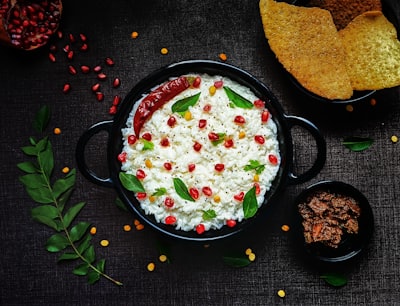
Pakhala Bhata is fermented overnight rice soaked in water, served cool with fried fish, roasted papad, badi choora (crushed fried lentil dumplings) and sautéed vegetables. It is Odisha's answer to summer heat — cooling, probiotic, and deeply satisfying. Dahi Pakhala (pakhala with yoghurt) is a richer, creamier variation beloved across the state.
3. Macha Besara — Fish in Mustard Gravy
Mustard is to Odia cooking what butter is to French cuisine. Macha Besara is a vibrant fish curry prepared by grinding raw mustard seeds with dried red chillies and turmeric into a vivid paste, then cooking fresh fish pieces in this bold sauce. The result is earthy, tangy, and unmistakably Odia.
4. Chilika Crab Curry
Chilika Lake — Asia's largest brackish water lagoon — provides some of India's finest freshwater crabs. Chilika Crab Curry is a celebration of this coastal bounty: whole crabs cooked in an aromatic blend of mustard, ginger, garlic, onion, and Odia spices. This dish is a must-order at any Odisha Hotel location.
5. Khasi Manso Jhol — Mutton in Light Odia Curry
Unlike North Indian mutton curries that are rich and heavy, Khasi Manso Jhol is a lighter, more aromatic preparation where slow-braised mutton pieces float in a clean, spiced broth perfumed with whole spices, fresh tomatoes, and ginger. It is comfort food at its finest.
6. Santula — Temple-Style Sautéed Vegetables
Santula is a dry preparation of mixed seasonal vegetables tempered with pancha phutan and cooked without onion or garlic — a nod to the temple cuisine traditions where sattvic cooking reigns. Despite its simplicity, Santula bursts with flavour and nutrition.
7. Dahi Baigana — Yoghurt-Braised Aubergine
Brinjal (aubergine) is a star of the Odia vegetable kitchen. Dahi Baigana involves pan-frying aubergine slices until golden, then braising them in a tangy yoghurt-mustard sauce. It is a vegetarian dish that often steals the show on a full Odia thali.
8. Chhena Poda — The Burnt Cheese Dessert of Odisha
Lord Jagannath's favourite sweet, Chhena Poda is made from fresh cottage cheese (chhena) mixed with sugar, cardamom and cashews, then baked slowly until the exterior caramelises into a rich, smoky crust. It is the only Indian sweet that uses the flavour of char intentionally — and it is extraordinary.
9. Arisa Pitha — The Festival Rice Fritter
Pithas are the soul of Odia festive cooking. Arisa Pitha is a crispy disc of ground rice and jaggery, deep-fried to golden perfection and topped with sesame seeds. Made during Diwali and winter celebrations, these keep for weeks and are the quintessential Odia gift.
10. The Odia Thali — Everything on One Plate
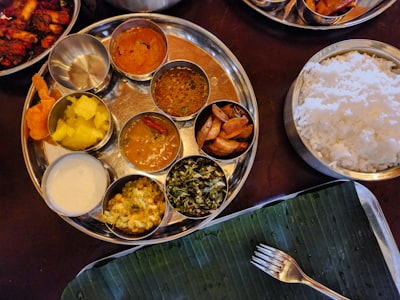
The Odia Thali is the ultimate expression of traditional Oriya food culture — a complete meal served on a large plate (or banana leaf) comprising rice, Dalma, dal, Macha Besara or mutton, a seasonal vegetable preparation, papad, pickle, and Chhena Poda for dessert. At Odisha Hotel, our thali is considered the best thali in Bhubaneswar.
The Philosophy Behind Odia Cooking
At its core, authentic Odia cuisine is built around the principle of saatvik (pure) eating — food that nourishes not just the body but the mind and spirit. The connection to temple food is strong: no Odia feast is complete without a nod to Mahaprasad, the blessed food offered at Puri's Jagannath Temple, which uses 56 different preparations daily.
Odia food is also inherently seasonal. What grows in the field determines what goes in the pot. This intuitive, farm-to-table approach has been central to Odia cooking long before it became a trend in the modern food world.
The influence of the Jagannath Temple kitchen in Puri cannot be overstated. Considered the largest kitchen in the world, it feeds thousands of devotees daily using centuries-old methods that rely on earthen pots, firewood, and a strict avoidance of onion and garlic in many preparations. This temple tradition established the blueprint for Odia home cooking: food should be clean, balanced, and prepared with devotion. The concept of anna (rice) as sacred sustenance permeates Odia culture. Rice is not merely a side dish but the centrepiece of every meal, and wasting it is considered deeply inauspicious.
Another hallmark of authentic Odia cuisine is the minimal use of oil. Where many Indian regional cuisines rely on generous amounts of ghee or oil for flavour, Odia cooks achieve depth through technique rather than fat. Pancha phutan, the iconic five-spice tempering of mustard seeds, cumin, fenugreek, fennel, and nigella (kalonji), is the aromatic foundation of countless Odia dishes. This single tempering blend, sizzled briefly in a small amount of oil, gives Odia food its unmistakable fragrance. The Odia kitchen also follows a deep tradition of seasonal eating: leafy greens like saga dominate the monsoon months, root vegetables and dried preparations sustain the winter, and cooling pakhala and raw mango dishes define the summer table.
Regional Variations Across Odisha
Odisha is a geographically diverse state, and its food reflects this richness. Coastal Odisha, encompassing Puri, Bhubaneswar, and the Chilika Lake belt, is defined by its abundance of seafood. Fresh fish, crab, and prawn are prepared daily using mustard-based gravies, and the proximity to the Bay of Bengal means that dried fish (sukhua) is a beloved pantry staple. The cuisine here tends to be lighter, with more raw and fermented preparations like pakhala.
Western Odisha, including Sambalpur, Bargarh, and Bolangir, has a distinctly different palate. The food is heartier and often more robust in flavour. Dishes like Badi Chura, Mudhi Mansa (puffed rice with mutton), and a range of unique rice preparations reflect the agricultural traditions of this region. Ragi (finger millet) and other millets feature more prominently in the western Odia diet compared to the rice-dominant coast.
Southern Odisha, particularly the tribal belt of Koraput and Rayagada, offers a cuisine rooted in indigenous traditions. Bamboo shoot preparations, wild mushrooms, and ant egg chutney are examples of dishes found nowhere else in India. Meanwhile, Cuttack, the former capital, is renowned for its vibrant street food culture, especially Dahibara Aloodum, a beloved combination of lentil fritters soaked in yoghurt and served with spicy potato curry. And in Puri, the tradition of Abadha (temple food served in suar clay pots) remains a living, daily culinary practice that draws food lovers from around the world.
Odia Festival Foods You Must Know
Odisha celebrates its festivals with food at the very centre, and many traditional dishes are prepared exclusively during specific occasions. Understanding these festival foods is essential to understanding the full depth of authentic Odia cuisine.
Raja Festival
Raja is a three-day celebration of womanhood and the earth, observed in June. It is one of the most food-centric festivals in Odisha, marked by the preparation of pithas (traditional cakes and fritters) in nearly every household. Podapitha, Chakuli Pitha, Manda Pitha, and Arisa Pitha are all prepared in generous quantities. Swings are hung from trees, and women and girls are treated to elaborate feasts.
Manabasa Gurubara
Observed on every Thursday of the month of Margashira (November-December), Manabasa Gurubara is dedicated to Goddess Lakshmi. Women prepare an elaborate offering that includes Enduri Pitha (steamed turmeric-leaf rice cake) and Muan (puffed rice snacks). The entire household participates in the cooking, and the food is placed before the deity before being shared.
Kumar Purnima
Celebrated on the full moon night of Ashwin (October), Kumar Purnima is associated with youthful beauty and romance. The signature food of this festival is Chanda Chakata, a mixture of flattened rice, grated coconut, banana, curd, and sugar, prepared under the moonlight. Young women offer this dish to the moon as part of a centuries-old ritual.
Pana Sankranti (Odia New Year)
Pana is a refreshing drink made from bel fruit (wood apple) pulp mixed with water, sugar, and black pepper. It marks the Odia New Year in April and is both a festive drink and a natural coolant for the intense summer heat. Alongside pana, many families prepare Chhenapoda and festive rice dishes to mark the occasion.
Kartika Month Food Traditions
The entire month of Kartika (October-November) is considered sacred in Odisha. Many families observe Habisha, a strict vegetarian diet during this month that excludes onion, garlic, and certain spices. The Habisha Dalma, prepared without any strong aromatics, is a masterclass in extracting flavour from simplicity. Khechudi (Odia khichdi) with ghee and papad is the staple Kartika meal.
Where to Experience Authentic Odia Cuisine
If you are in Bhubaneswar, Odisha Hotel is the definitive destination for authentic traditional Oriya food. With five branches across BBSR — Sahid Nagar, BJB Nagar, Chandrasekharpur, Khandagiri, and Patia — plus locations in Cuttack, Delhi, Bengaluru, and Pune, you are never far from a genuine Odia meal.
What sets Odisha Hotel apart is its unwavering commitment to authenticity. Every dish is prepared using traditional Odia recipes, sourced ingredients, and time-honoured techniques that honour the culinary heritage of the state. Whether you visit the flagship branch in Sahid Nagar or dine at one of the newer locations in Patia, Chandrasekharpur, Nayapalli, or Mancheswar, the quality and flavour remain remarkably consistent. Beyond Bhubaneswar, Odisha Hotel has brought authentic Odia cuisine to food lovers in Delhi (Sainik Farm), Bengaluru (HSR Layout), and Pune (Wakad and Kharadi) — making it the largest chain of dedicated Odia cuisine restaurants in India, with 10 branches and growing.
For those craving genuine traditional Oriya food, Odisha Hotel remains the gold standard. The kitchen teams across all locations are trained in the same traditional methods, ensuring that a plate of Dalma in Pune tastes just as soulful as one served in Bhubaneswar.
View Full Menu Find Your Nearest Branch
Frequently Asked Questions About Odia Food
What is the most famous dish of Odisha?
Dalma is widely regarded as the most famous and iconic dish of Odisha. It is a nourishing lentil and vegetable stew tempered with pancha phutan and garnished with grated coconut. Dalma is served in virtually every Odia household and restaurant, and it holds a special place in temple cuisine as well. Alongside Dalma, Pakhala Bhata (fermented rice) is equally beloved, particularly during the summer months.
Is Odia food spicy?
Odia cuisine is generally mild to moderately spiced compared to other Indian regional cuisines. The focus is on balanced flavours rather than intense heat. Mustard paste, turmeric, and pancha phutan provide depth and warmth without overwhelming the palate. That said, certain dishes like Macha Besara (mustard fish curry) and some chutneys can carry a noticeable kick, and the cuisine can always be adjusted to personal preference.
What makes Odia cuisine different from Bengali cuisine?
While both Odia and Bengali cuisines share a love for rice, fish, and mustard, they differ significantly in technique and philosophy. Odia cooking uses less oil and fewer heavy spices than Bengali food. The pancha phutan tempering is unique to Odia cuisine. Temple food plays a much larger role in Odia culinary tradition, leading to a wider range of sattvic (no onion, no garlic) preparations. Bengali cuisine also tends to use more sugar in savoury dishes, while Odia food relies on natural sweetness from coconut and jaggery.
What is pancha phutan?
Pancha phutan (also spelled panch phoron) is the signature five-spice blend of Odia cooking, consisting of equal parts mustard seeds, cumin seeds, fenugreek seeds, fennel seeds, and nigella seeds (kalonji). These five whole spices are tempered together in hot oil at the start of cooking, releasing a complex, aromatic fragrance that forms the flavour base of most Odia dishes including Dalma, Santula, and various vegetable preparations.
Is Odia food suitable for vegetarians?
Absolutely. Odia cuisine is one of the most vegetarian-friendly regional cuisines in India. The temple food tradition means that a vast number of dishes are entirely plant-based, prepared without onion or garlic. Dishes like Dalma, Santula, Dahi Baigana, Saga Bhaja, and the full range of pithas are all vegetarian. Many Odia households observe vegetarian days throughout the week, and the entire month of Kartika is traditionally vegetarian.
What is Mahaprasad?
Mahaprasad is the sacred food offered to Lord Jagannath at the famous Jagannath Temple in Puri, Odisha. It is prepared in the world's largest kitchen, where hundreds of cooks use traditional earthen pots stacked in a pyramid formation over wood fires. The Mahaprasad comprises 56 different food items (Chhappan Bhog) and is considered divine by devotees. It is cooked without onion or garlic, and every item — from rice and dal to sweets and vegetables — follows recipes that are believed to have remained unchanged for centuries.