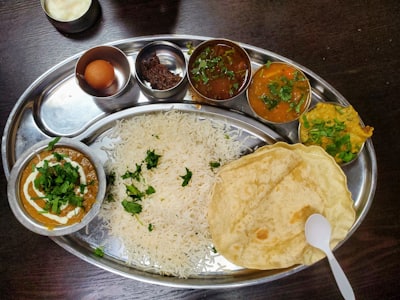
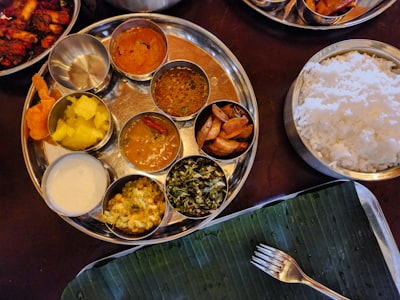
No single dish captures the soul of Odisha quite like Pakhala. It is not merely food — it is a ritual, a memory, and an act of seasonal wisdom that has sustained Odia families through scorching summers for centuries. If you are searching for the best pakhala in Bhubaneswar, this guide will tell you exactly what to look for and where to find it.
What Is Pakhala? The Story Behind Odisha's Iconic Dish
Pakhala Bhata (also spelled Pakhal or Pakhala) is cooked rice that is soaked in water and left to ferment overnight. By morning, the rice has developed a slightly sour, complex flavour profile and a cooling quality that makes it the perfect antidote to Odisha's intense summers.
The dish has deep historical roots. Archaeological evidence and literary references suggest that pakhala has been consumed in Odisha for over a thousand years. It is mentioned in ancient Odia literature, offered as temple prasad during the summer months at Puri's Jagannath Temple, and is the subject of Pakhala Divas — World Pakhala Day — celebrated on March 20th every year by Odias worldwide.
Pakhala Bhata vs Dahi Pakhala — What's the Difference?
Pakhala Bhata (Plain Pakhala)
The classic preparation: freshly cooked rice (usually parboiled Odia rice) is spread in a vessel, covered with fresh water, and left overnight at room temperature. By morning, natural fermentation has transformed it. It is served chilled or at room temperature with a traditional set of accompaniments.
Dahi Pakhala (Yoghurt Pakhala)
Dahi Pakhala is pakhala prepared with yoghurt (curd) instead of, or in addition to, plain water. The yoghurt adds a richer, creamier sourness and a probiotic depth that many prefer. It is slightly thicker than plain pakhala and is particularly beloved in the coastal districts of Odisha.
Basi Pakhala (Day-Old Pakhala)
Basi Pakhala is pakhala that has fermented for longer — typically served the next morning after overnight soaking. The longer fermentation produces a more pronounced sour note and is considered by purists to be the most authentic version.
The Traditional Pakhala Plate — What Comes with It
Pakhala is never eaten alone. The full pakhala experience at Odisha Hotel includes:
- Roasted Papad — for crunch and contrast
- Badi Choora — sun-dried lentil dumplings, deep-fried and crushed
- Fried Fish (Macha Bhaja) — usually rohu or katla, pan-fried golden
- Saga Bhaja — crispy fried leafy greens
- Aloo Bharta — smoked mashed potato with mustard and onion
- Pickle (Achaar) — usually raw mango or mixed vegetable
- Green Chilli — raw, for heat
Together, these accompaniments create a symphony of textures and flavours — cool, sour pakhala against crunchy papad, crispy fried fish, and the sharpness of raw chilli. It is a meal unlike any other in the Indian culinary canon.
The Health Benefits of Pakhala
Long before the modern wellness world discovered fermented foods, Odia grandmothers were prescribing pakhala for digestive health, hydration, and cooling the body during summer. Modern science confirms what tradition always knew:
- Fermented rice develops beneficial lactic acid bacteria (probiotics)
- The water in pakhala provides electrolytes that prevent dehydration
- The fermentation process increases bioavailability of iron and potassium
- It is low in fat and genuinely filling without being heavy
No wonder doctors in Odisha often recommend pakhala to patients with digestive issues and heat exhaustion during summer.
Where to Find the Best Pakhala in Bhubaneswar
Odisha Hotel is widely regarded as the best place for pakhala in Bhubaneswar. We serve both traditional Pakhala Bhata and Dahi Pakhala at all five Bhubaneswar branches — prepared the authentic Odia way with proper overnight fermentation, served at the right cool temperature, and accompanied by the full traditional set of sides.
Many restaurants serve watered-down versions or skip the fermentation process entirely. At Odisha Hotel, we do not compromise. The pakhala you get here is the real thing — the same way it was served in Odia homes and temples for generations.
Whether you are searching for dahi pakhala near me in Sahid Nagar, BJB Nagar, Chandrasekharpur, Khandagiri, or Patia — there is an Odisha Hotel branch close to you.
Pakhala Tips: How to Know You're Eating the Real Thing
- The rice should smell slightly sour from fermentation — this is a good sign
- It should be served at cool/room temperature, never warm
- The water-to-rice ratio should leave the rice moist and soupy, not dry
- A generous set of accompaniments — at least 4-5 items — is traditional
- Dahi Pakhala should taste tangy from yoghurt, not just watery
The History and Origins of Pakhala
Pakhala is not a recent culinary invention — it is one of the oldest surviving food traditions in eastern India, with roots stretching back well over a thousand years. References to fermented rice dishes appear in medieval Odia literature, including works by Adikabi Sarala Das and later poets who described pakhala as a staple of both royal courts and rural households. The practice of soaking cooked rice in water overnight likely began as a practical preservation technique in Odisha's hot, humid climate, where cooked rice would spoil quickly without refrigeration. Fermentation slowed bacterial decay and kept the rice safe and nourishing for consumption the following day.
Pakhala also holds deep significance in Odisha's temple food culture. At the Jagannath Temple in Puri — one of the most important pilgrimage sites in India — pakhala has historically been part of the Mahaprasad offerings, especially during the summer months. The temple kitchens, which feed thousands of devotees daily, have served fermented rice for centuries as part of the sacred food tradition. This connection to devotional practice elevated pakhala beyond mere sustenance — it became a food imbued with spiritual meaning, a humble offering worthy of the gods. For Odias, eating pakhala is not just a culinary choice; it is an act of cultural continuity that links them to their ancestors, their literature, and their faith.
Health Benefits of Pakhala Bhata
Modern nutritional science has increasingly validated what Odia families understood intuitively for generations: pakhala is genuinely good for the body, especially during hot weather. The overnight fermentation of rice in water triggers lactic acid fermentation, a natural process that produces beneficial probiotic bacteria similar to those found in yoghurt, kimchi, and other celebrated fermented foods. These probiotics support healthy gut flora, improve digestion, and strengthen the body's immune response over time.
During the fermentation process, the bioavailability of B-vitamins — particularly B6 and B12 — increases significantly. Iron and potassium levels in the rice also become more accessible to the body after fermentation, making pakhala a more nutrient-dense food than freshly cooked rice. The high water content of pakhala provides essential hydration and electrolytes, making it a natural defence against heat exhaustion and dehydration during Odisha's severe summers, where temperatures regularly exceed 40 degrees Celsius.
Pakhala is also a low-oil, low-fat preparation by nature. Unlike many Indian dishes that rely on generous amounts of cooking oil or ghee, the base of pakhala is simply rice and water. This makes it a light yet satisfying meal that does not cause the sluggishness or heaviness often associated with rich midday meals in tropical climates. For those seeking gut-friendly, hydrating, naturally probiotic food, pakhala is one of the finest traditional options available anywhere in Indian cuisine.
Pakhala Diwas — Celebrating Odisha's Love for Pakhala
Pakhala Diwas is celebrated every year on March 20, and it has grown from a grassroots social media movement into one of Odisha's most recognisable cultural celebrations. On this day, Odias across the world — from Bhubaneswar to Bengaluru, Delhi to Dubai — prepare pakhala at home, share photographs on social media, and take pride in this uniquely Odia tradition. The hashtag #PakhalaDiwas trends nationally every year, bringing Odia food culture into the mainstream conversation and introducing millions of non-Odias to the dish for the first time.
At Odisha Hotel, Pakhala Diwas is celebrated with enthusiasm at every branch. Special pakhala platters are served throughout the day, featuring both traditional Pakhala Bhata and Dahi Pakhala with an extended spread of accompaniments. The celebration brings together regulars and first-time visitors alike, united by their love for this iconic dish. It is one of the busiest and most joyful days of the year across all Odisha Hotel locations.
Different Types of Pakhala
While the core concept remains the same — rice soaked in water — there are distinct variations of pakhala, each with its own character and following.
Basi Pakhala
Basi Pakhala is the simplest and most traditional form. Cooked rice is soaked in plain water and left overnight at room temperature, allowing natural fermentation to occur. By morning, the rice has developed a distinctive tangy flavour and a pleasantly soft, broken-down texture. Basi Pakhala is considered the most authentic version by purists and is the variety most commonly eaten in rural Odisha.
Dahi Pakhala
Dahi Pakhala incorporates yoghurt (curd) into the soaking water, creating a richer, creamier, and more substantial dish. The yoghurt adds its own probiotic cultures to the fermentation process and gives the pakhala a thicker consistency and a milder, more rounded sourness. Dahi Pakhala is especially popular in the coastal districts of Odisha and is often the preferred version at restaurants and celebrations.
Sajja Pakhala
Sajja Pakhala is the fresh, same-day version — cooked rice mixed with water and a light tempering of cumin, curry leaves, and green chilli, served immediately without overnight fermentation. It is lighter and less sour than Basi Pakhala, making it an accessible introduction for those trying pakhala for the first time. Sajja Pakhala is often prepared as a quick midday meal during the hottest months.
The Perfect Pakhala Accompaniments
Pakhala is traditionally served with a carefully curated set of side dishes that complement its cool, tangy character with contrasting textures and bold flavours. Here are the essential accompaniments that make a pakhala plate complete:
- Badi Choora — sun-dried lentil fritters (badi), deep-fried until golden and crushed into coarse pieces. They add an irresistible crunch and savoury depth to every bite of pakhala.
- Machha Bhaja (Fried Fish) — fresh river fish such as rohu or katla, marinated with turmeric and salt, then pan-fried to a crisp golden finish. The richness of fried fish against cool pakhala is one of Odia cuisine's great flavour contrasts.
- Saga Bhaja — seasonal leafy greens, lightly fried with garlic and dried red chilli. The bitter, earthy notes of the greens balance the sourness of the fermented rice.
- Alu Bharta — smoked or boiled potatoes mashed with raw mustard oil, chopped onion, green chilli, and fresh coriander. It adds a creamy, pungent element to the plate.
- Roasted Papad — thin lentil crackers roasted over an open flame, providing a light, crispy texture that contrasts beautifully with the soft rice.
- Lemon Pickle (Nimbu Achaar) — tangy, spiced lemon preserved in mustard oil. A small amount adds a sharp, intense burst of flavour that lifts the entire plate.
- Green Chilli — raw green chillies served whole, bitten into between mouthfuls for a clean, direct heat that cuts through the coolness of the pakhala.
Frequently Asked Questions About Pakhala
What is pakhala bhata?
Pakhala bhata is a traditional Odia dish made from cooked rice that is soaked in water and allowed to ferment, typically overnight. The fermentation gives the rice a mildly sour flavour and a cooling quality that makes it ideal for consumption during Odisha's hot summer months. It is one of the oldest and most widely eaten dishes in the state, enjoyed across all communities and regions.
Is pakhala healthy to eat?
Yes, pakhala is considered highly nutritious. The natural fermentation process produces beneficial probiotic bacteria that support gut health and improve digestion. Fermented rice also has increased levels of B-vitamins, iron, and potassium compared to freshly cooked rice. Its high water content makes it an excellent source of hydration, and because it requires no added oil in preparation, it is naturally low in fat.
What is the difference between pakhala and dahi pakhala?
Plain pakhala (also called basi pakhala) is cooked rice soaked in water and left to ferment overnight, resulting in a light, tangy dish. Dahi pakhala incorporates yoghurt (curd) into the preparation, which makes it creamier, thicker, and richer in flavour. Dahi pakhala also benefits from the additional probiotics present in yoghurt. Both versions are served with the same traditional accompaniments.
When is Pakhala Diwas celebrated?
Pakhala Diwas is celebrated on March 20 every year. It is an annual celebration of Odisha's love for pakhala, observed by Odias across India and around the world. On this day, families prepare pakhala at home, restaurants offer special pakhala platters, and social media fills with photographs and tributes to this iconic dish.
Where can I get the best pakhala in Bhubaneswar?
Odisha Hotel is widely recognised as the best place for pakhala in Bhubaneswar. With five branches across the city — in Sahid Nagar, BJB Nagar, Chandrasekharpur, Khandagiri, and Patia — Odisha Hotel serves both traditional Pakhala Bhata and Dahi Pakhala prepared with authentic overnight fermentation and a full set of traditional accompaniments. Visit the contact page to find the branch nearest to you.