If there is one dish that defines the soul of Odia cuisine, it is Dalma. A simple but profound preparation of toor dal slow-cooked with seasonal vegetables and tempered with pancha phutan, Dalma is the dish every Odia child grows up with — and the dish every grandmother claims to make better than anyone else. This is your complete guide to making authentic Dalma at home, exactly the way it has been prepared in Odia homes for generations.
What Makes Dalma Special?
Dalma is not just dal. It is a complete, balanced meal in a single pot — protein from the lentils, fibre and nutrition from a generous mix of seasonal vegetables, healthy fats from coconut, and aromatic depth from the signature Odia five-spice tempering known as pancha phutan. Unlike many Indian lentil preparations that depend on heavy oil, cream or excessive masala, Dalma is built on subtlety and patience.
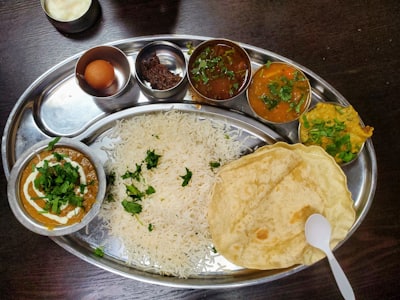
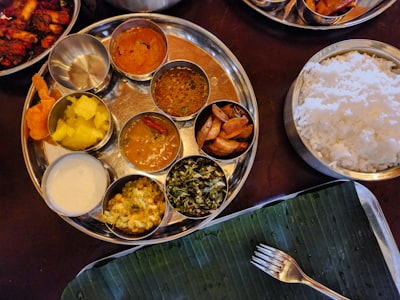
The dish carries deep cultural weight in Odisha. It is one of the central preparations in Mahaprasad at the Jagannath Temple in Puri, where it is cooked daily in earthen pots over wood fire and served to thousands of devotees. The temple version uses no onion or garlic, and many home cooks across Odisha follow the same tradition, especially on religious days. Dalma is also the centrepiece of the traditional Odia Thali, alongside rice, dal, vegetables and fish or mutton curry.
Ingredients for Authentic Dalma (Serves 4)
For the Dal Base
- Toor dal (split pigeon peas) — 1 cup, washed and soaked for 20 minutes
- Water — 4 cups
- Turmeric powder — ½ teaspoon
- Salt — to taste (start with 1 teaspoon)
For the Vegetables
- Raw banana — 1 medium, peeled and cubed
- Pumpkin — 1 cup, cubed
- Drumstick (sajna) — 1 stalk, cut into 2-inch pieces
- Brinjal (small purple variety) — 1 medium, cubed
- Sweet potato or yam — ½ cup, cubed (optional)
- Papaya (raw) — ½ cup, cubed (optional)
For the Tempering (Pancha Phutan)
- Mustard oil or coconut oil — 2 tablespoons
- Mustard seeds — ¼ teaspoon
- Cumin seeds — ¼ teaspoon
- Fenugreek seeds — ¼ teaspoon
- Fennel seeds — ¼ teaspoon
- Nigella seeds (kalonji) — ¼ teaspoon
- Dried red chillies — 2, broken
- Bay leaf — 1
- Hing (asafoetida) — a pinch
For Finishing
- Fresh grated coconut — 3 tablespoons
- Ghee — 1 teaspoon (optional, skip for vegan)
- Fresh coriander leaves — for garnish
Step-by-Step Method
Step 1: Cook the Dal and Vegetables
In a heavy-bottomed pot or pressure cooker, combine the soaked toor dal with 4 cups of water, turmeric powder and salt. Bring to a gentle boil and skim off any foam that rises to the surface. Add all the vegetables — raw banana, pumpkin, drumstick, brinjal, sweet potato and papaya. The vegetables release their natural sweetness as they cook with the dal, and this slow merging is what gives authentic Dalma its character.
If using a pot, cover and simmer on low-medium heat for 30-35 minutes, stirring occasionally to prevent sticking. If using a pressure cooker, cook for 4-5 whistles on medium heat. The dal should be soft and creamy, the vegetables tender but not mushy. Lightly mash the dal with the back of a ladle so it thickens but the vegetables remain intact.
Step 2: Prepare the Pancha Phutan Tempering
While the dal finishes cooking, heat the mustard oil in a small pan until it just begins to smoke. Reduce heat to medium-low and add the bay leaf, broken dried red chillies, and the five whole spices — mustard seeds, cumin seeds, fenugreek seeds, fennel seeds and nigella seeds — all at once. This is the magic of pancha phutan. Allow the spices to crackle and release their aroma for 15-20 seconds — do not let them burn or the dish will turn bitter. Add a pinch of hing at the end.
Step 3: Combine and Finish
Pour the hot tempering directly over the cooked dal-vegetable mixture and stir gently to incorporate. The sizzle and aroma at this moment is one of the great pleasures of Odia cooking. Add the freshly grated coconut and a teaspoon of ghee if using. Cover the pot and let it rest off the heat for 5 minutes — this allows the flavours to settle and deepen.
Step 4: Garnish and Serve
Garnish with fresh coriander leaves. Serve hot with steamed rice — the traditional pairing — or with chapati or paratha. Dalma is often the only dish needed alongside rice for a complete Odia meal, though it pairs beautifully with a side of Pakhala, fried fish (macha bhaja), or a vegetable stir-fry like Saga Bhaja.
Tips for the Perfect Dalma
- Soak the dal — Soaking toor dal for 20-30 minutes before cooking dramatically reduces cooking time and produces a creamier consistency.
- Use mustard oil — Authentic Dalma uses pungent mustard oil for tempering. It carries the flavour profile that defines Odia cooking. If you cannot get mustard oil, coconut oil is the next-best substitute.
- Don't skip pancha phutan — All five spices must be present. Substituting or omitting any of them changes the dish fundamentally. Make a small batch of pancha phutan and store it in an airtight jar to use across many Odia recipes.
- Use seasonal vegetables — Dalma is meant to be flexible. Use what is fresh and in season. Winter Dalma is perfect with cauliflower, beans and peas. Summer versions shine with raw mango and tender drumsticks.
- Slow cook for depth — While a pressure cooker is convenient, the very best Dalma is made in a heavy pot over low heat, where the dal and vegetables have time to meld together. Reserve this method for weekend cooking when you have an hour to spare.
- Use fresh coconut — Freshly grated coconut at the finishing stage adds a natural sweetness and texture that desiccated coconut cannot replicate. If unavailable, frozen grated coconut (thawed) is a much better substitute than dried.
Regional Variations of Dalma
Like most traditional dishes, Dalma has subtle variations across the regions of Odisha. In coastal Odisha (Cuttack, Puri, Bhubaneswar), the version tends to be slightly thinner with a generous coconut finish. Western Odisha (Sambalpur, Bargarh) often uses split chana dal alongside toor dal for a denser, heartier preparation. Tribal regions of Koraput and Rayagada sometimes incorporate locally foraged greens or root vegetables that add a distinct earthy note unique to those areas.
The Jagannath Temple's Mahaprasad Dalma is perhaps the most revered version of all. Cooked in stacks of unglazed earthen pots over wood fires using only Odisha-grown ingredients, it is famously made without onion or garlic. The result is a dal of profound simplicity and depth that pilgrims travel from across India to taste. While the temple version cannot be exactly replicated at home, the recipe above honours its philosophy.
What to Serve with Dalma
Dalma is at its best when paired with simple, complementary dishes that allow it to shine. The classic Odia combination is:
- Steamed rice — preferably parboiled Odia rice for the most authentic experience
- Saga Bhaja — sautéed seasonal greens with garlic and dried red chilli
- Macha Bhaja — pan-fried fish with turmeric and salt
- Aloo Bharta — smoked potato mash with mustard oil and onion
- Mango or lemon pickle
- Roasted papad
- A simple raita or curd preparation
For a complete temple-style vegetarian meal, finish with a small piece of Chhena Poda, Odisha's signature baked cheese dessert.
Health Benefits of Dalma
Dalma is one of the most nutritionally complete single-pot meals in Indian cuisine. The toor dal provides high-quality plant protein and dietary fibre. The mix of seasonal vegetables delivers a wide spectrum of vitamins, minerals, and antioxidants — drumsticks alone are exceptionally rich in iron, calcium and vitamin C. The pancha phutan tempering aids digestion, and the use of mustard oil contributes heart-healthy monounsaturated fats. With minimal oil and no cream or heavy thickening agents, Dalma is naturally light, clean and easy on the digestive system.
Where to Eat the Best Dalma in Bhubaneswar
If you want to taste authentic Dalma made the way it has been served in Odisha for generations, visit any branch of Odisha Hotel in Bhubaneswar. Our Dalma is prepared fresh daily using seasonal vegetables, freshly ground spices and a tempering technique passed down from the kitchens of traditional Odia cooks. It is a centrepiece of our Odia Thali and is also available as a standalone dish for those who want to experience the soul of Odia cooking in its purest form. Find your nearest branch in Bhubaneswar, or visit our outposts in Delhi, Bengaluru or Pune.
View Our Full Menu Find Your Nearest Branch
Frequently Asked Questions About Dalma
What is Dalma?
Dalma is a traditional Odia dish made by slow-cooking toor dal (split pigeon peas) with seasonal vegetables and tempering it with pancha phutan — the signature Odia five-spice blend. It is one of the most iconic and beloved dishes of Odisha and is served in homes, restaurants and the kitchens of the Jagannath Temple in Puri.
What vegetables go in Dalma?
Traditional Dalma includes a generous mix of raw banana, pumpkin, drumstick, brinjal, papaya, sweet potato and yam. The exact mix changes with the season — winter versions add cauliflower or peas, while summer Dalma may include raw mango or tender pumpkin. The variety of vegetables is part of what makes Dalma a complete meal.
What is pancha phutan?
Pancha phutan is the signature five-spice tempering blend of Odia cooking, made from equal parts of mustard seeds, cumin seeds, fenugreek seeds, fennel seeds and nigella seeds (kalonji). The five spices are sizzled together in hot oil to release a complex, layered aroma that defines the flavour of Dalma and many other Odia dishes.
Is Dalma vegan?
Traditional Dalma is naturally vegan when prepared without ghee. Most cooks finish it with a small amount of ghee for added flavour, but you can easily skip this step or substitute it with coconut oil to keep the dish fully plant-based. The base recipe — dal, vegetables, pancha phutan and coconut — is entirely vegan.
How is Dalma different from regular dal?
Unlike a typical dal, which is primarily lentils with minimal vegetables, Dalma is closer to a stew. It contains substantial amounts of mixed seasonal vegetables alongside the lentils, is tempered with pancha phutan rather than a single spice, and is finished with grated coconut. The combination of these elements gives Dalma its uniquely Odia identity.
Can I make Dalma in a pressure cooker?
Yes, Dalma can be made in a pressure cooker for convenience. Combine the soaked dal, vegetables, turmeric and salt with water and pressure cook for 4-5 whistles on medium heat. Open the cooker, mash lightly, and finish by pouring over the freshly prepared pancha phutan tempering and stirring in grated coconut.