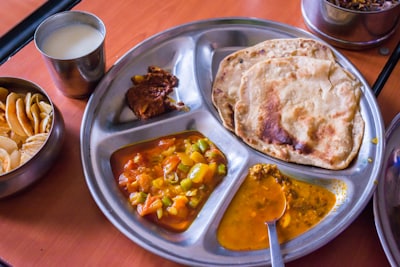
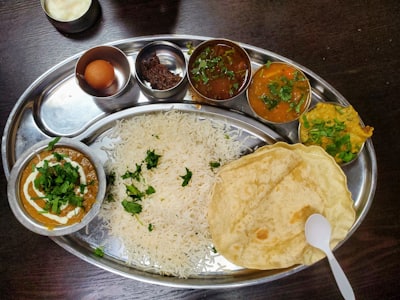
If Dalma is the soul of Odia vegetarian cooking, then Macha Besara is the soul of its non-vegetarian kitchen. A bold, pungent fish curry built on freshly ground mustard and poppy seed paste, it is a dish that announces itself the moment it arrives at the table — vibrant yellow, intensely aromatic, and unlike any fish curry you will find anywhere else in India. This is your complete guide to making authentic Macha Besara at home.
What Is Macha Besara?
Macha Besara — pronounced mah-cha beh-sah-rah — is the signature fish curry of Odisha. The name combines two Odia words: Macha (fish) and Besara (mustard paste). At its core, the dish is fresh fish cooked in a thick, vivid gravy made from ground mustard seeds, poppy seeds, turmeric and dried red chillies, all bloomed in mustard oil and finished with a touch of curry leaves and pancha phutan tempering.
What makes Macha Besara extraordinary is the use of raw mustard paste — not mustard oil tempering, not mustard seed pickle, but actual ground mustard. When prepared correctly, the mustard provides a sharp, almost wasabi-like pungency that mellows during cooking into a complex, layered warmth. This is mustard treated with the seriousness most cuisines reserve for chilli or onion.
Macha Besara is the centrepiece of the non-vegetarian Odia Thali and is one of the dishes that announces Odia cuisine as something distinct — neither North Indian, nor South Indian, nor Bengali, but its own complete flavour world.
Choosing the Right Fish
The traditional fish for Macha Besara is rohu (rui), a freshwater carp that is widely available across eastern India. Other excellent choices include:
- Katla — another freshwater carp, slightly larger than rohu
- Hilsa (Ilish) — the prized monsoon fish of eastern India, gives a richer, oilier curry
- Bhetki (sea bass) — a firmer fish that holds up well
- Pomfret — works as a coastal alternative
- King fish (surmai) — denser texture, but flavours adapt well
The fish should be cut into medium-thick steak pieces, about 2-3 cm thick, with skin and bones intact. Bones add depth to the gravy and help the fish hold its shape during cooking.
Ingredients for Authentic Macha Besara (Serves 4)
For the Fish
- Rohu or katla fish — 500g, cut into 4-6 steaks
- Turmeric powder — 1 teaspoon
- Salt — 1 teaspoon (for marinating)
- Mustard oil — 4 tablespoons (for frying)
For the Besara Paste
- Yellow mustard seeds — 2 tablespoons
- Black mustard seeds — 1 tablespoon
- White poppy seeds (posto) — 1 tablespoon
- Garlic cloves — 4-5
- Green chillies — 2-3
- Water — for grinding
For the Gravy
- Mustard oil — 2 tablespoons
- Pancha phutan — ½ teaspoon (mix of mustard, cumin, fenugreek, fennel and nigella seeds)
- Bay leaves — 2
- Dried red chillies — 2, broken
- Onion — 1 medium, finely chopped (optional, omit for temple-style)
- Turmeric powder — 1 teaspoon
- Red chilli powder — 1 teaspoon (adjust to taste)
- Salt — to taste
- Water — 1.5 cups
- Fresh coriander — for garnish
Step-by-Step Method
Step 1: Marinate the Fish
Wash the fish steaks gently and pat them dry with kitchen paper. Rub them generously with turmeric powder and salt. Let them rest for 15-20 minutes. This marination removes any fishy smell and gives the steaks a beautiful golden colour when fried.
Step 2: Fry the Fish
Heat 4 tablespoons of mustard oil in a heavy pan until it just starts to smoke. (Heating mustard oil to smoking point removes its raw pungency and is essential to authentic Odia cooking.) Reduce the heat slightly and gently lay the fish steaks in the oil. Fry for 2-3 minutes on each side until lightly golden — do not over-fry or the fish will become tough. Remove and set aside on a plate. Reserve the oil in the pan.
Step 3: Prepare the Besara Paste
Soak the mustard seeds and poppy seeds in warm water for 15-20 minutes. Drain. Add to a wet grinder along with garlic and green chillies. Add a small amount of water and grind into a smooth, fine paste. The paste should be thick but smooth — not grainy. Do not over-grind — extended grinding develops bitterness in mustard. A short, controlled grind is ideal.
Step 4: Cook the Gravy
In the same pan with the reserved fish-flavoured oil, add 2 more tablespoons of mustard oil if needed. Add the pancha phutan, bay leaves and broken dried red chillies. Let them crackle for 10-15 seconds.
If using onion, add it now and sauté until light golden. (For temple-style or strict Odia preparation, skip the onion entirely.) Add the besara paste and cook on medium-low heat for 4-5 minutes, stirring constantly. The paste should turn from pale yellow to a deeper, richer yellow as it cooks. Cook out the rawness of the mustard — this step is crucial.
Add turmeric powder, red chilli powder and salt. Cook for another 2 minutes until oil starts to separate from the paste. Add 1.5 cups of warm water, stir well and bring to a simmer.
Step 5: Add the Fish
Gently slide the fried fish steaks into the simmering gravy. Spoon some gravy over them. Cover the pan and let the curry simmer on low heat for 8-10 minutes, allowing the fish to absorb the flavours. Do not stir vigorously — the fish should not break apart.
Step 6: Finish and Serve
Check seasoning and adjust salt if needed. Garnish with fresh coriander leaves. The final gravy should be vibrant yellow, with a thin layer of mustard oil glistening on top. Serve hot with steamed rice — ideally Odia parboiled rice — for the most authentic experience.
Tips for the Perfect Macha Besara
- Use fresh fish — Macha Besara depends on the freshness of the fish. Frozen fish loses much of its character. Buy from a reliable fishmonger and cook the same day.
- Don't overcook the fish — Fish steaks need only 2-3 minutes per side for the initial fry, and 8-10 minutes in the gravy. Overcooking makes them dry and tough.
- Soak the mustard seeds — Soaking the seeds in warm water for 15-20 minutes before grinding reduces bitterness and produces a smoother paste.
- Mix yellow and black mustard — Yellow mustard provides the warmth, black mustard adds the sharpness. The combination is what creates an authentic besara.
- Don't over-grind — Long grinding generates heat and produces bitterness in mustard paste. Grind in short pulses, with brief rests, until smooth.
- Always smoke the mustard oil — Heating mustard oil until it smokes removes raw pungency. Skipping this step gives the dish an unpleasant raw mustard flavour.
- Less is more with chilli — The dish gets its sharpness from mustard, not chilli. Adding too much chilli powder masks the besara's character.
- Serve immediately — Macha Besara is at its absolute best within 30 minutes of cooking. The mustard's complex aroma is most pronounced when fresh.
Regional Variations of Macha Besara
Like most traditional Odia preparations, Macha Besara has subtle regional variations:
- Coastal Odisha (Puri, Cuttack, Bhubaneswar) — uses sea fish or estuarine varieties, slightly thinner gravy, more emphasis on mustard sharpness
- Western Odisha (Sambalpur, Bargarh) — uses river fish, thicker gravy, sometimes with added tomato (a relatively modern adaptation)
- Temple-style (Jagannath tradition) — strictly no onion or garlic, uses ginger paste instead
- Cuttack-style — heavier on poppy seeds, slightly creamier finish
- Hilsa Macha Besara (monsoon special) — uses ilish fish during the rainy season, a delicacy reserved for special occasions
What to Serve with Macha Besara
The classic Odia pairing for Macha Besara is simple steamed rice, but a complete meal often includes:
- Steamed rice — preferably parboiled Odia rice, plain and slightly sticky
- Saga Bhaja — sautéed leafy greens like spinach or amaranth
- Aloo Bharta — smoked potato mash with mustard oil and chopped onion
- Dalma — the lentil-vegetable stew (see our Dalma recipe)
- Roasted papad
- Fresh raw chilli and lemon wedges
For dessert, finish with a piece of Chhena Poda or an Odia Rasagulla — the perfect sweet contrast to the bold, savoury fish curry.
Health and Nutrition
Macha Besara is one of the healthiest Indian fish preparations. The fish provides high-quality protein and essential omega-3 fatty acids. Mustard seeds contain selenium, magnesium, and powerful anti-inflammatory compounds. Mustard oil offers heart-healthy monounsaturated fats. Compared to cream-based or coconut-rich fish curries, Macha Besara is significantly lower in saturated fat and calories. Its assertive flavour also means smaller portions feel deeply satisfying, making it a smart choice for mindful eating.
Where to Eat the Best Macha Besara in Bhubaneswar
If you want to taste expertly prepared Macha Besara without the work of making it yourself, visit any branch of Odisha Hotel in Bhubaneswar. Our fish is sourced fresh daily, our mustard paste is ground in-house each morning, and our chefs follow traditional Odia methods passed down through generations. The result is a Macha Besara that tastes the way it has tasted in Odia homes and temples for centuries — sharp, vibrant, and unforgettable.
Macha Besara is available at all our locations: Bhubaneswar (5 branches), Delhi (Sainik Farm), Bengaluru (HSR Layout) and Pune (Wakad and Kharadi).
View Our Full Menu Find Your Nearest Branch
Frequently Asked Questions
What is Macha Besara?
Macha Besara is the iconic Odia fish curry made with fresh fish cooked in a vibrant gravy of ground mustard seeds, poppy seeds, turmeric and dried red chillies, all bloomed in mustard oil. "Macha" means fish and "Besara" refers to the mustard paste base. It is a flagship dish of traditional Odia cuisine.
What kind of fish is best for Macha Besara?
Traditional Macha Besara uses rohu or katla, both freshwater carp that hold their shape well in gravy. Hilsa (ilish) is a premium choice during monsoon. Outside Odisha, pomfret, sea bass or king fish work well as alternatives.
Why is mustard the key ingredient in Odia cuisine?
Mustard is to Odia cooking what coconut is to South Indian or tomato is to North Indian — the defining flavour element. Odisha's coastal soil produces excellent mustard seeds, and Odia cooks have refined the use of both raw mustard paste and tempered seeds across hundreds of dishes. Macha Besara showcases mustard at its most concentrated.
Is Macha Besara spicy?
Macha Besara is sharp and pungent rather than chilli-hot. The dominant sensation comes from the raw mustard paste, which provides a wasabi-like edge that mellows during cooking. Chilli is used in moderation. The dish is bold and aromatic, but not overwhelmingly spicy.
Can I make Macha Besara without mustard oil?
Authentic Macha Besara depends on mustard oil — both for cooking and to enhance the mustard paste. The combination of raw mustard paste cooked in mustard oil creates the dish's signature flavour. If mustard oil is unavailable, coconut oil is the closest alternative, but the result will lack some of the traditional character.
Where can I get the best Macha Besara in Bhubaneswar?
Odisha Hotel serves authentic Macha Besara at all five Bhubaneswar branches — Sahid Nagar, BJB Nagar, Chandrasekharpur, Khandagiri and Patia. Fish is fresh, mustard is ground daily, and the recipe follows traditional Odia methods. It is one of the most-ordered non-vegetarian dishes on our menu.