In the coastal town of Puri, Odisha, sits one of the most extraordinary kitchens on earth — and most of the world has never heard of it. Every day, in this single kitchen at the Jagannath Temple, hundreds of cooks prepare 56 separate dishes, in earthen pots, over wood fires, using methods that have not changed in eight hundred years. The food they make is called Mahaprasad — sacred food offered to Lord Jagannath and then distributed to thousands of devotees. It is the most influential single force in the history of Odia cuisine, and this is its complete story.
What Is Mahaprasad?
Mahaprasad — literally "the great blessing" — is the sacred food prepared daily at the Jagannath Temple in Puri and offered first to Lord Jagannath, then distributed to devotees. Unlike ordinary prasad, Mahaprasad is regarded by Hindus as a complete blessing — a meal that, once offered to the deity, transcends caste, creed, and social hierarchy. According to temple tradition, all distinctions disappear when devotees sit together to eat Mahaprasad. A king and a labourer share the same meal from the same earthen pot.
This radical idea — that food can equalise human beings — is one of the most enduring contributions of the Jagannath tradition to Indian society. Mahaprasad is not just food. It is theology served on a banana leaf.
The Largest Kitchen in the World
The Mahaprasad kitchen at the Jagannath Temple, known as Rosaghara (the cooking room), is widely regarded as the largest functioning temple kitchen in the world. It feeds anywhere from 25,000 to over 100,000 people daily, depending on the day, the festival, and the season. During major events like the Rath Yatra (Chariot Festival) and Snana Yatra, the numbers can exceed 200,000 in a single day.
The kitchen is a vast complex with over 240 wood-fired hearths, more than 700 cooks (called supkars) and several hundred assistants. Cooking begins before dawn and continues throughout the day. The supkars are members of specific traditional families who have been preparing Mahaprasad for generations — the role is hereditary and considered both an honour and a sacred duty.
The 56 Dishes — Chhappan Bhog
The complete daily Mahaprasad consists of 56 different food items, collectively known as Chhappan Bhog. The number 56 carries deep symbolism in the Jagannath tradition — it is said to represent the eight items of food multiplied by the seven deities served at the temple. The 56 items broadly fall into the following categories:
Rice and Grain Preparations
- Sukhilas (plain steamed rice)
- Khechudi (rice and lentil khichdi)
- Kanika (sweet ghee rice with cashews and raisins)
- Mitha Pakhal (sweetened rice in water)
Lentil and Vegetable Preparations
- Dalma — the iconic Odia preparation of dal with vegetables (see our complete Dalma recipe)
- Mahura (mixed vegetable curry)
- Saaga (sautéed leafy greens)
- Besara (vegetables in mustard gravy)
Sweet Preparations
- Khaja (layered crispy sweet)
- Pheni (deep-fried sweet)
- Manda Pitha (sweet steamed rice cake)
- Magaja Laddoo (sweet flour balls)
- Tipuri and many more
Pithas (Traditional Cakes)
Numerous varieties of pithas — the steamed, baked and fried rice cakes that are central to Odia festive cooking — feature prominently in Mahaprasad. Enduri Pitha wrapped in turmeric leaves, Arisa Pitha, and various seasonal pithas are all prepared depending on the day and festival.
The Miraculous Cooking Method
Of all the things that make Mahaprasad extraordinary, perhaps nothing is more famous than the method of cooking. The kitchen uses unglazed earthen pots stacked on top of each other in a pyramid formation over a single fire. The bottom pot is closest to the flame, while the top pot is the farthest from heat. By every principle of physics, the bottom pot should cook first.
Yet for centuries, devotees, cooks and even visiting scientists have observed that the topmost pot cooks first, then the next, and so on down to the bottom — precisely the opposite of what should happen. This phenomenon, observed every single day in the temple kitchen for centuries, is considered one of the great mysteries and miracles of the Jagannath tradition. No conclusive scientific explanation has ever been offered.
What Mahaprasad Cannot Contain
Mahaprasad cooking is governed by strict rules. The following ingredients are never used:
- Onion and garlic — considered tamasic (clouding) in Hindu tradition
- Potato, tomato, chilli — these were introduced to India after Portuguese colonisation and are considered "foreign" to the temple's centuries-old recipes
- Refined oils — only mustard oil, ghee or coconut oil are permitted
- Processed sugar — only jaggery, raw sugar or natural sweeteners are used
- Synthetic ingredients — every ingredient is sourced fresh and natural
This strict tradition has had a lasting effect on home cooking across Odisha. Many traditional Odia preparations — particularly those served on religious days, during the month of Kartika, or for festivals like Janmashtami — follow temple rules and exclude onion and garlic.
Ananda Bazar — The Sacred Food Market
After the food is offered to Lord Jagannath inside the temple, it is moved to Ananda Bazar — literally "the market of bliss" — the vast open-air dining and food-selling area within the temple complex. Ananda Bazar is one of the largest dining spaces in the world. Devotees buy small portions of Mahaprasad on banana leaves and earthen plates and sit together on the stone floor to eat. The atmosphere is one of remarkable equality and devotion.
Once a meal has been blessed as Mahaprasad, even a tiny morsel is considered enough — a single grain of rice from the temple is, in Hindu belief, equivalent to a complete spiritual blessing.
The Influence of Mahaprasad on Odia Cuisine
No single force has shaped Odia cuisine more than Mahaprasad. Many of the dishes that define the Odia kitchen today have direct origins in temple cooking traditions. Some of the most important influences include:
Minimal Oil, Maximum Flavour
The temple cooking philosophy of using only essential oils has carried through to home cooking. Traditional Odia food uses far less oil than most North Indian or South Indian cuisines, relying instead on technique and the natural sweetness of vegetables.
Seasonal Eating
Mahaprasad changes with the seasons. Each season brings different vegetables, fruits and pithas to the temple offerings. This rhythm has shaped Odia home cooking, where what grows in the field determines what goes on the plate.
The Sacredness of Rice
Rice is the centrepiece of Mahaprasad and the centrepiece of Odia eating. Wasting rice is considered deeply inauspicious in Odisha — a value that comes directly from the temple tradition, where every grain is regarded as blessed.
The Role of Pithas
Pithas — the steamed and fried rice cakes that are central to Odia festival cooking — owe much of their importance to the temple tradition. Many pitha varieties were developed first as Mahaprasad offerings and then spread to home kitchens.
Pakhala as Sacred Food
Even Pakhala Bhata — the fermented water rice that is Odisha's most beloved everyday dish — has its origins partly in the temple tradition, where it has been served as Mahaprasad during the summer months for centuries.
Experiencing Mahaprasad-Inspired Food at Odisha Hotel
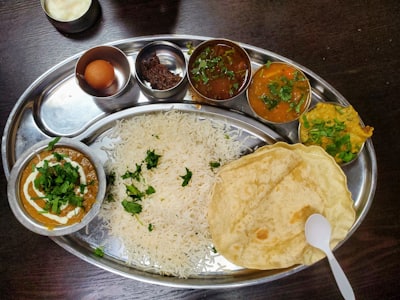
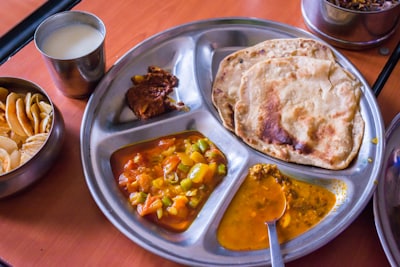
While only a visit to the Jagannath Temple in Puri can give you authentic Mahaprasad, the spirit of temple cooking lives on in the kitchens of Odisha Hotel. Many of our preparations follow temple-style rules — minimal oil, no onion or garlic in select vegetarian dishes, fresh ingredients, slow cooking. Our vegetarian Odia Thali is in many ways a direct descendant of Mahaprasad, featuring Dalma, dal, seasonal vegetables, papad and Chhena Poda — all prepared the way they would be in the temple kitchen.
Visit any of our 10 branches across India — in Bhubaneswar, Delhi, Bengaluru or Pune — to experience Odia cuisine cooked in the temple tradition.
Explore Our Menu Find a Branch
Frequently Asked Questions About Mahaprasad
What is Mahaprasad?
Mahaprasad is the sacred food offered to Lord Jagannath at the Jagannath Temple in Puri, Odisha. After being offered to the deity, it is distributed to devotees as blessed food. It is regarded as the most spiritually significant prasad in Hindu tradition.
How many dishes are in Mahaprasad?
The complete daily Mahaprasad — known as Chhappan Bhog — consists of 56 different food items including rice, dals, vegetable curries, sweets, fried items and beverages. The number 56 holds spiritual significance in the Jagannath tradition.
Where is Mahaprasad served?
Mahaprasad is served at Ananda Bazar — the famous open-air dining area within the Jagannath Temple complex in Puri. It is one of the largest functioning dining spaces in the world, where thousands of devotees gather daily to partake of the blessed food.
How is Mahaprasad cooked?
Mahaprasad is cooked in unglazed earthen pots stacked in pyramid formation over wood fires. According to temple tradition, the topmost pot cooks first — a phenomenon that defies conventional physics and is considered miraculous. No onion, garlic, potato, tomato or chilli is used.
How has Mahaprasad influenced Odia cuisine?
Mahaprasad is the single most important influence on Odia cuisine. Many iconic dishes — Dalma, Khechudi, Santula, various pithas — have direct origins in temple cooking. The tradition of minimal oil, seasonal eating, the sacredness of rice and the wide range of pithas all come from temple kitchen practices.
Can I receive Mahaprasad as a non-Hindu?
Entry to the Jagannath Temple is restricted to Hindus by tradition. However, Mahaprasad can sometimes be obtained outside the temple through licensed sellers, and several restaurants in Puri and Bhubaneswar serve food inspired by the Mahaprasad tradition that is open to everyone.